
How to Install an Oxygen Cone in Your Fish Farm
Oxygen is the lifeblood of any fish farm. Without adequate dissolved oxygen (DO), fish become stressed, growth slows, and disease risks increase ultimately hurting your bottom line. For fish farmers, finding efficient and reliable ways to boost oxygen levels is always top of mind. One of the simplest yet most effective tools to improve oxygenation is the oxygen cone.
If you haven’t yet explored oxygen cones or are considering upgrading your aeration setup, this guide is for you. We’ll walk through what oxygen cones are, why they matter, and how to install one step-by-step all explained in a way that feels like you’re chatting with an experienced aquaculture specialist.
What Exactly Is an Oxygen Cone And Why Should You Care?
Imagine you want to get as much oxygen dissolved into your pond water as possible, without wasting a single bubble. Traditional aerators pump oxygen into the water but often release large bubbles that quickly rise to the surface and escape unused. This means a lot of the oxygen you pay for just vanishes into the air.
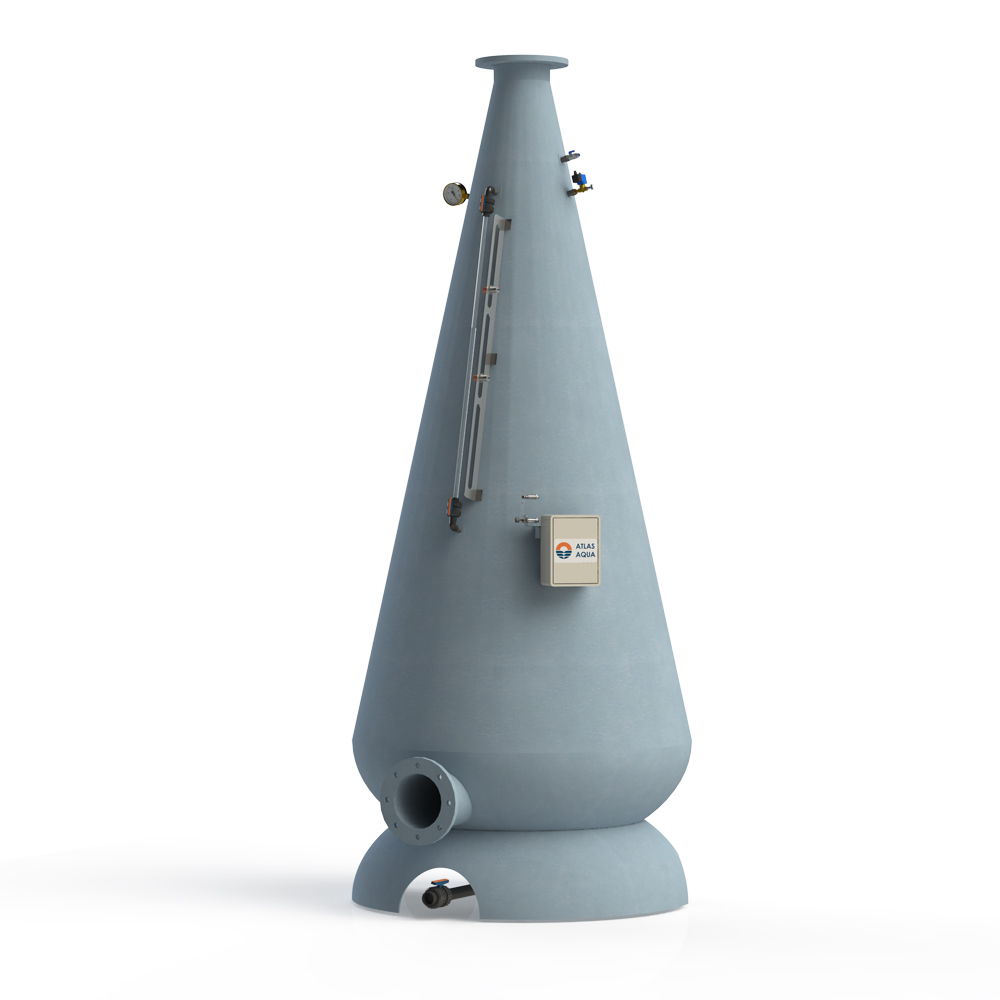
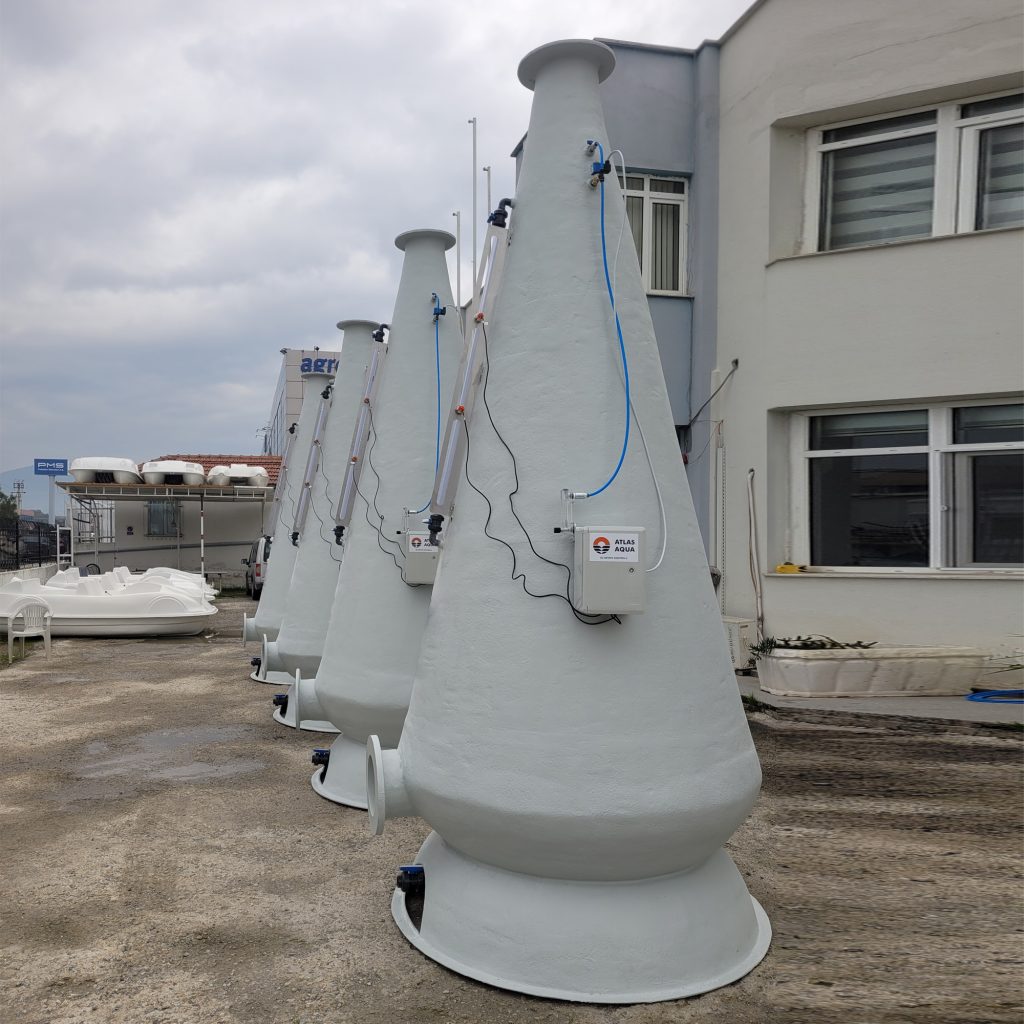
An oxygen cone works differently. It’s a funnel-shaped device, typically installed on your pond’s water inlet or outlet pipes. The cone traps oxygen gas in a confined space and mixes it intensely with the flowing water. This design keeps oxygen bubbles small and suspended longer, increasing their contact time with water, so more oxygen dissolves before bubbles reach the surface.
The result? More dissolved oxygen delivered efficiently, meaning healthier fish, less wasted oxygen, and often lower energy costs compared to traditional aeration methods.
Read more about:Complete Overview of Oxygen Cones in Aquaculture
Step-by-Step: Installing an Oxygen Cone on Your Fish Farm
Step 1: Evaluate Your Farm’s Current Setup and Oxygen Needs
Before rushing into installation, take a moment to assess your pond or tank’s size, water flow rate, and existing oxygen levels. Understanding these factors will help you choose the right oxygen cone size and placement for maximum impact.
For example, a large earthen pond with slow-moving water may need a bigger or multiple cones compared to a smaller, well-circulated tank.
Step 2: Choose a Quality Oxygen Cone That Fits Your System
Oxygen cones come in various materials: stainless steel, PVC, or other durable plastics. Stainless steel cones are corrosion-resistant and long-lasting but cost more upfront. Plastic cones are lightweight and easier to install but may wear faster depending on water quality.
Also, ensure the cone is compatible with your pipes and pumps. Most cones come with standard fittings but double-check dimensions.
Step 3: Prepare the Installation Site
Identify the best location to install the oxygen cone. Ideally, this should be on a water pipe where flow is steady commonly at the pond’s inlet or outlet. Make sure there’s enough clearance for mounting and future maintenance.
Clean the pipe area and remove any debris or biofilm that might interfere with sealing.
Step 4: Power Down Equipment for Safety
Turn off any pumps, aerators, or oxygen generators connected to the installation site. This ensures safety during installation and prevents damage to your equipment.
Step 5: Mount the Oxygen Cone Securely
Attach the cone to the selected pipe using bolts, clamps, or flange connectors, depending on the model. Tighten all fittings firmly but avoid over-tightening, which could crack plastic parts.
If your cone uses gaskets or sealing tape, apply them carefully to prevent oxygen leaks.
Step 6: Connect the Oxygen Supply Line
Attach the oxygen supply tubing to the gas inlet on the cone. This tubing should come from your oxygen generator or tank. Double-check all connections for tightness.
Step 7: Restart and Test the System
Switch pumps and oxygen supply back on gradually. Monitor water flow through the cone it should be steady without unusual noise or vibration.
Use a dissolved oxygen meter to measure DO before and after installation. You should see a noticeable increase in oxygen levels downstream of the cone.
Step 8: Schedule Regular Inspections and Cleaning
Biofilm buildup and mineral deposits can clog the cone over time, reducing efficiency. Plan monthly cleanings using soft brushes or mild cleaners safe for aquaculture.
Check all seals and fittings regularly to catch leaks early.
Read more about:Pure Oxygen or Air Aeration: The Best Oxygenation Method for Fish Farming
Pro Tips for Getting the Most Out of Your Oxygen Cone
- Combine with Nanobubble Generators: Pairing oxygen cones with nanobubble technology can supercharge oxygen dissolution and enhance fish health even further.
- Place Near Bottom Water Intakes: Installing cones closer to the pond or tank bottom helps oxygenate the deeper water where fish spend much of their time.
- Automate Oxygen Control: Use DO sensors linked to oxygen supply controllers to maintain stable oxygen levels and avoid wasting oxygen.
- Regularly Monitor Water Quality: Oxygen is crucial, but other factors like pH, ammonia, and nitrite levels also affect fish well-being. Keep a balanced water chemistry for the best results.
Why Fish Farmers Love Oxygen Cones
Fish farmers worldwide are increasingly adopting oxygen cones because they deliver tangible benefits without complex infrastructure changes:
- Cost-Effective: Oxygen cones improve oxygen transfer efficiency, reducing oxygen waste and saving on energy and gas costs.
- Easy to Install and Maintain: The relatively simple design means quick installation and straightforward upkeep.
- Versatile: Suitable for various aquaculture systems from earthen ponds to recirculating aquaculture systems (RAS).
- Better Fish Health: Increased DO leads to less stress, faster growth, and stronger immune systems.
- Sustainability: Efficient oxygen use aligns with eco-friendly farming practices by minimizing environmental impact.
Read more about: Methods of Oxygenation in Fish Farming: Pros and Cons
Final Thoughts
Installing an oxygen cone isn’t just a technical upgrade it’s a smart investment in your fish farm’s future. With clearer water, healthier fish, and lower operating costs, it’s no wonder many producers consider oxygen cones a must-have in their aquaculture toolkit.
If you’re ready to boost your farm’s productivity and fish welfare, start with assessing your setup and choosing the right oxygen cone for your system. Take your time with installation, follow the steps carefully, and you’ll soon see the benefits ripple through your operation.