
Maintenance Tips for Oxygen Cones
Keep Your Oxygen System Running Smoothly for a Healthier, More Productive Fish Farm
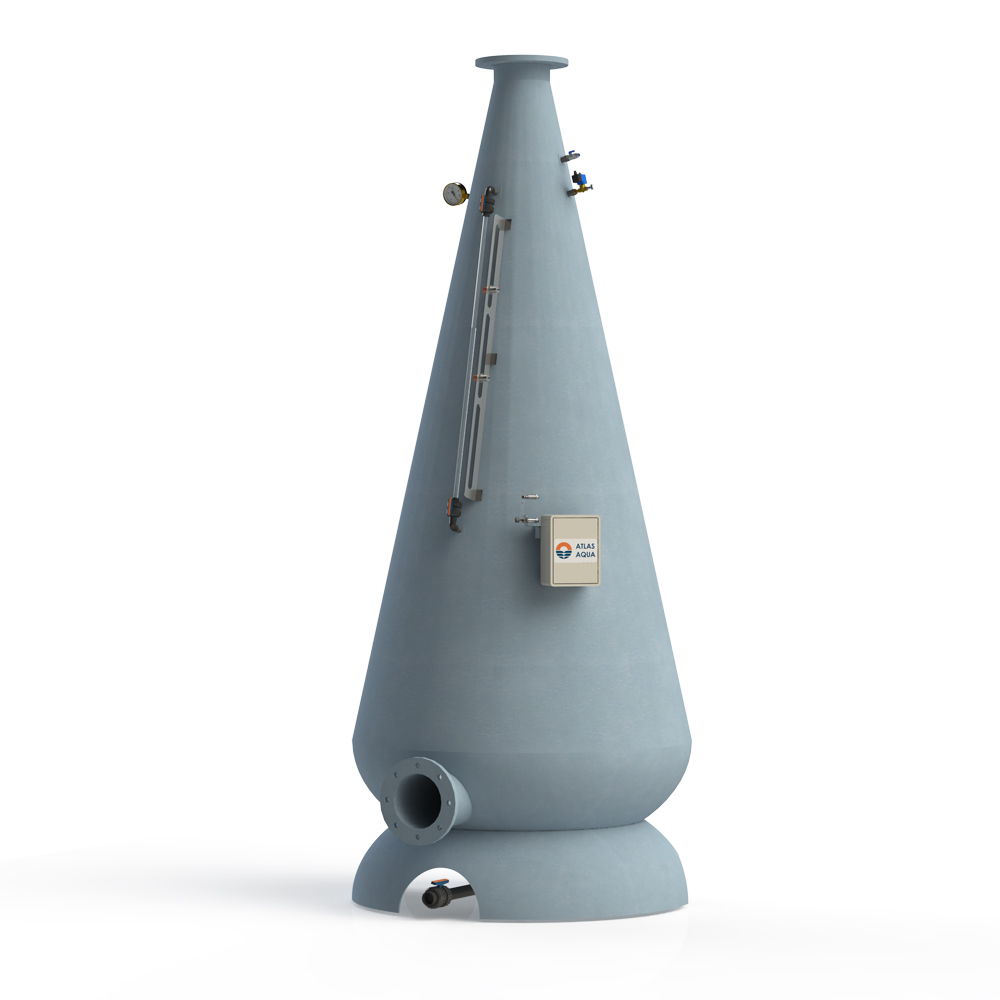
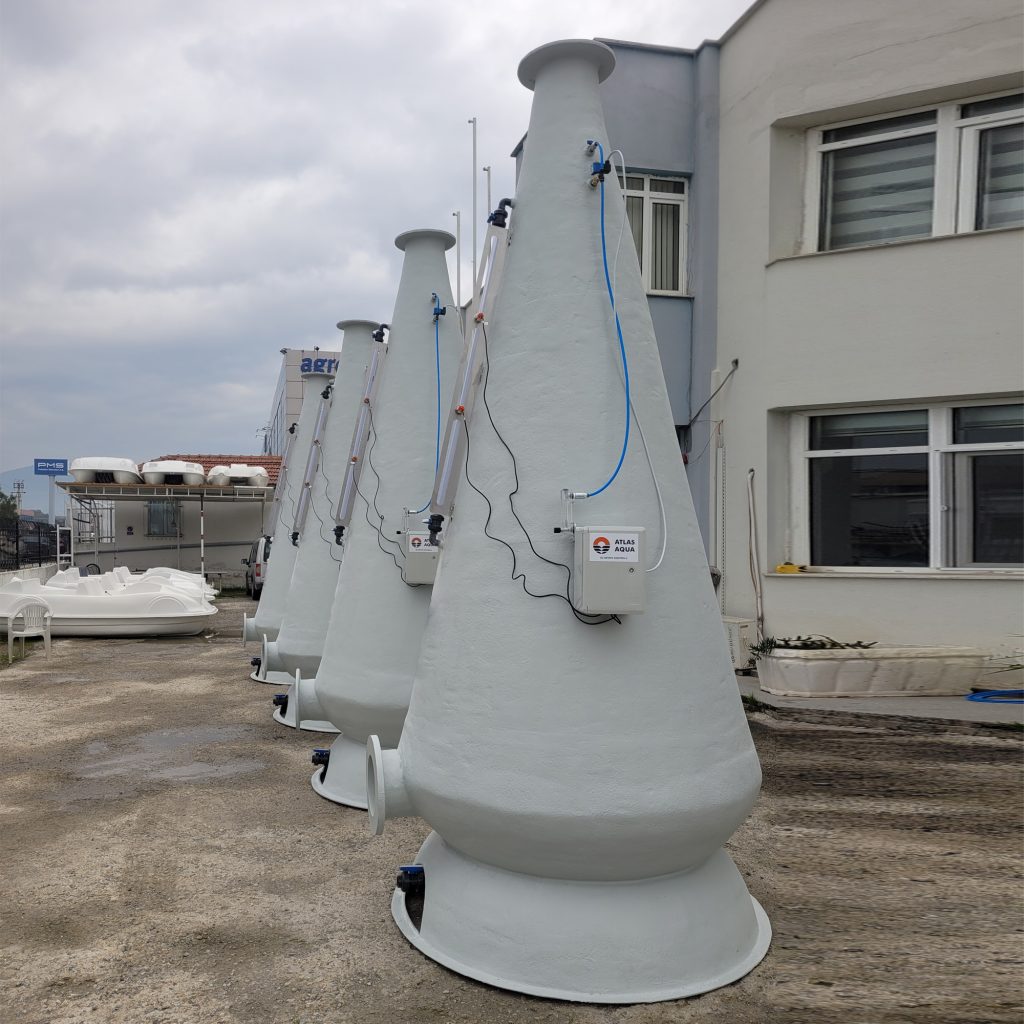
In modern aquaculture, oxygen cones are the silent workhorses of every high-performing fish farm. They don’t get as much attention as feeding systems or water filters, but without them, your dissolved oxygen levels would quickly drop, fish health would decline, and your entire operation could be at risk.
These cones engineered to dissolve gaseous oxygen into your water supply with minimal loss play a crucial role in maintaining stable oxygen levels, especially in high-density environments like RAS (Recirculating Aquaculture Systems) or intensive pond farming. But like any piece of technical equipment, they need regular maintenance to work efficiently.
This guide is for farm managers, technicians, and aquaculture entrepreneurs who want to keep their systems running at peak performance with fewer breakdowns, better oxygen efficiency, and longer equipment lifespan.
Why Maintenance Matters More Than You Think
Before we jump into the step-by-step tips, let’s clarify why oxygen cone maintenance should be a priority, not an afterthought.
Even the best-quality cone like those made by Atlas Aqua, crafted in Turkey using top-grade stainless steel and precision welding can underperform if neglected.
Here’s what poor maintenance can lead to:
- Oxygen waste due to undetected micro-leaks
- Biofilm buildup that clogs the interior and slows down gas exchange
- Internal corrosion, especially in saltwater environments
- Reduced oxygen saturation in your tanks, which leads to fish stress, disease susceptibility, and slower growth
- Unexpected downtime and costly repairs
In other words, if you’re serious about your fish health and your farm’s ROI, cone maintenance isn’t optional, it’s essential.
Read more about:Complete Overview of Oxygen Cones in Aquaculture
1. Schedule a Routine Cleaning Plan
Frequency: Every 2–4 weeks, depending on water quality
Over time, organic matter, algae, or mineral scale can form inside your cone. Even microscopic buildup reduces surface contact, which lowers your cone’s oxygen transfer efficiency.
How to clean:
- Step 1: Shut off your oxygen source and water flow.
- Step 2: Disconnect the cone and flush the inside with clean, dechlorinated water.
- Step 3: Use a soft brush or cloth with a non-corrosive, fish-safe detergent to gently scrub the interior.
- Step 4: For tougher deposits, a light citric acid rinse can help (only if manufacturer-approved).
- Step 5: Rinse thoroughly no detergent residue should remain.
Pro tip: Keep a logbook with dates and notes for each cleaning. This will help you spot patterns or recurring issues.
2. Inspect Seals, Clamps, and Gaskets for Microleaks
Frequency: Monthly, or during every cleaning session
Even the smallest air leak at a seal can drastically reduce the pressure and oxygen efficiency inside the cone.
What to look for:
- Cracked or brittle rubber gaskets
- Worn O-rings
- Loose hose clamps or misaligned flanges
- Condensation or bubbling at joints a clear sign of leakage
What to do:
Replace parts immediately if they show wear. Atlas Aqua oxygen cones, for example, come with standard-size fittings, making it easy to source and replace parts without special tools.
3. Monitor Oxygen Efficiency with Data, Not Guesswork
Frequency: Weekly or via automatic sensors
It’s not enough to assume your cone is working just because it looks fine. A drop in post-cone dissolved oxygen levels might go unnoticed until your fish stop eating or you see health issues.
Set up a basic monitoring routine:
- Measure DO (dissolved oxygen) before and after the cone using a portable DO meter or inline sensor.
- Track trends in a spreadsheet or your farm management system.
- If you see a consistent decline in oxygen levels post-cone, it’s time to clean, inspect, or upgrade.
If you’re using Atlas Aqua oxygen cones with nanobubble integration, you’ll notice even finer oxygenation data and you can adjust your flow rates more accurately.
Read more about:The Necessity of Oxygenation in Aquaculture Farms
4. Check Internal Pressure Regularly
Frequency: Biweekly or when performance dips
Cones rely on the balance of water pressure and gas flow to maintain optimal mixing and saturation. Too much pressure can damage the cone. Too little, and your oxygen won’t dissolve properly.
- Install a pressure gauge on the inlet line
- Ideal operating pressures are usually 1–3 bar, depending on your cone size and water volume
- Consult the product guide (or Atlas Aqua’s technical team) for exact specs
5. Prevent Corrosion in Harsh Environments
Especially critical in saltwater systems
Saltwater is harsh on metal. Even high-grade stainless steel can show signs of fatigue over time if not properly cared for.
Preventative steps:
- Rinse the cone with fresh water weekly if it’s part of a saltwater system
- Avoid exposing your cone to extreme heat or direct sunlight for long periods
- Use protective coatings or corrosion inhibitors if needed
- If your cone is made of composite material, still check for wear or cracking in joints
Atlas Aqua cones are designed with marine-grade materials to resist corrosion but regular inspection is still key for longevity.
6. Don’t Forget the Air System
Your oxygen cone doesn’t work alone it depends on clean, stable air or oxygen supply lines.
- Clean or replace filters on your oxygen source
- Check air compressor/o2 cylinder pressures
- Make sure regulators are functioning
- Look out for condensation in airlines, which can damage connections over time
🔧 It’s often the upstream issues that affect your cone’s downstream performance.
Read more about:Pure Oxygen or Air Aeration: The Best Oxygenation Method for Fish Farming
7. Involve Your Team: Train, Delegate, Document
Maintenance is a team effort. If only one person knows how to clean and inspect the oxygen cones, you’re one illness or vacation away from a system failure.
Build a routine:
- Create simple step-by-step SOPs (Standard Operating Procedures)
- Hold monthly maintenance workshops
- Use checklists and assign team members specific tasks
- Track maintenance in a shared logbook or software tool
📋 A 10-minute weekly check by a trained team member can save you thousands in oxygen waste or fish losses.
Why Atlas Aqua Oxygen Cones Are Easier to Maintain
At Atlas Aqua, we didn’t just design oxygen cones for high efficiency we designed them with maintainability in mind. Here’s what makes our cones stand out:
Smooth internal surfaces to prevent buildup
Tool-free maintenance with modular assembly
Standardized fittings for easy parts replacement
Optional nanobubble upgrades for longer oxygen retention
Expert support, right from our team here in Turkey
Whether you’re running a large RAS or a smaller pond system, Atlas Aqua cones are built to last and to stay clean and efficient with simple, regular care.
Final Thoughts
Oxygen cone maintenance might seem like a small detail in the day-to-day chaos of fish farming, but it’s exactly these “small things” that separate the struggling farms from the high-yielding, sustainable operations.
When you take a proactive approach to cleaning, inspecting, and optimizing your oxygen cones, you protect:
- Your fish health
- Your oxygen budget
- Your farm’s profitability
- And your peace of mind
If you’re using Atlas Aqua oxygen cones, you’re already investing in one of the best systems available. With just a bit of regular maintenance, that investment will continue paying off tank after tank, harvest after harvest.