
Drum vs. Sand Filters: Which Is Better for Aquaculture?
Water quality is the invisible architecture of every successful aquaculture system. You can have premium feed, ideal stocking density, and top genetics—but if suspended solids aren’t controlled properly, fish health, biofilter efficiency, and overall system stability suffer.
That’s where mechanical filtration steps in, and two of the most commonly compared technologies are drum filters and sand filters.
Both remove solid waste. Both are widely used. But they behave very differently inside real-world aquaculture systems. Understanding those differences is the key to choosing the right solution for your farm, not just the most popular one.
The Role of Mechanical Filtration in Aquaculture Systems
Before comparing technologies, it’s important to clarify what mechanical filters are actually doing.
In aquaculture—especially in RAS (Recirculating Aquaculture Systems)—mechanical filters remove uneaten feed, feces, and fine particulate matter before they break down into ammonia, nitrite, and dissolved organic compounds. The faster solids are removed, the less stress is placed on biofilters, oxygen systems, and fish themselves.
Poor mechanical filtration leads to:
- Elevated ammonia and nitrite
- Reduced dissolved oxygen
- Biofilter clogging
- Increased disease pressure
- Higher operating costs
Drum filters and sand filters solve this problem in very different ways.
How Drum Filters Work in Aquaculture
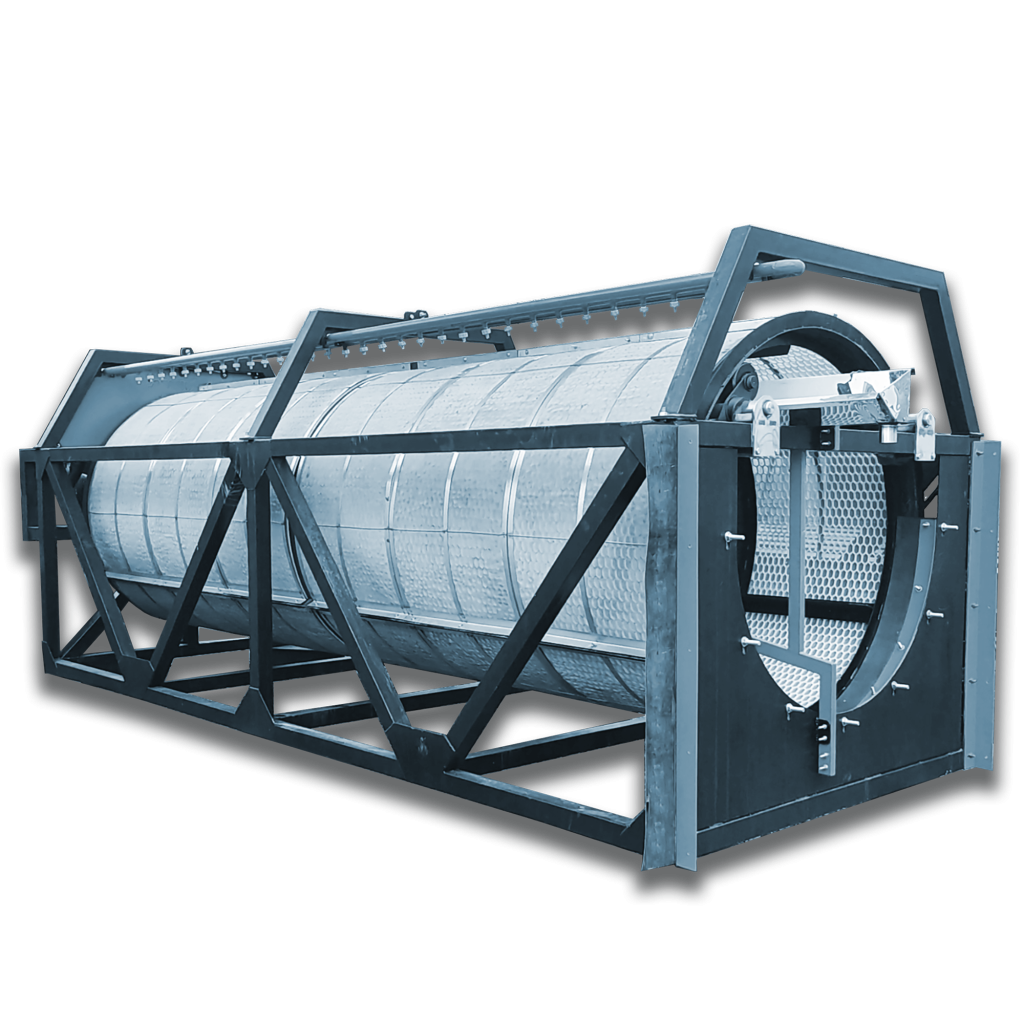
A drum filter is a self-cleaning, rotating mechanical filter that uses a fine mesh screen—typically between 30 and 100 microns—to physically block suspended solids from passing through.
Water flows into the drum, passes through the mesh, and solids are trapped on the surface. As the screen clogs, water level sensors trigger a rotation and high-pressure backwash, flushing waste out of the system automatically.
Key Characteristics of Drum Filters
- Continuous, automated operation
- Very high solids removal efficiency
- Low head loss
- Minimal water waste during cleaning
- Excellent performance with fine particles
Drum filters are widely used in modern RAS facilities, hatcheries, and high-density grow-out systems where water clarity and stability are non-negotiable.
Read more about:The Necessity of Oxygenation in Aquaculture Farms
How Sand Filters Work in Aquaculture
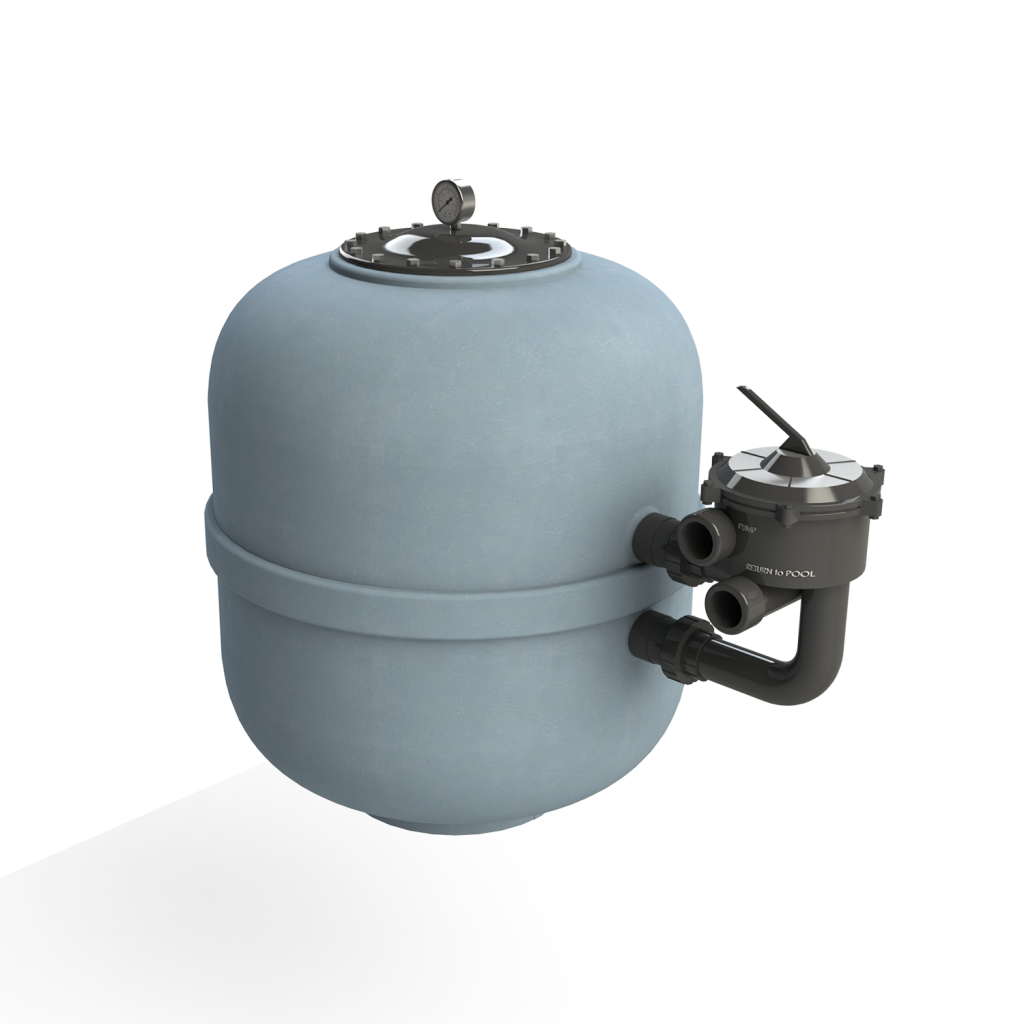
Sand filters rely on depth filtration. Water passes through layers of sand (or similar granular media), and solids are trapped between particles as water moves downward.
As debris accumulates, resistance increases. The filter must then be backwashed, reversing the flow to flush trapped solids out of the sand bed.
Key Characteristics of Sand Filters
- Simple, proven technology
- Effective for larger suspended solids
- Requires periodic backwashing
- Higher water consumption during cleaning
- Can develop anaerobic zones if poorly managed
Sand filters are common in pond-based systems, low-tech farms, and facilities with lower stocking densities or larger particle waste.
Drum Filters vs. Sand Filters: Performance Comparison
Filtration Precision
Drum filters clearly outperform sand filters when it comes to fine particle removal. Feces and feed dust that pass through sand media are easily captured by drum screens, which protects biofilters and stabilizes water chemistry.
Water Use Efficiency
Drum filters use short, targeted spray cycles for cleaning, resulting in significantly less water loss. Sand filters, by contrast, require longer backwash cycles that can waste large volumes of water—an issue in water-limited or high-cost regions.
System Stability
Because drum filters remove solids quickly and continuously, they prevent waste breakdown inside the system. Sand filters allow solids to remain longer, increasing organic load and oxygen demand.
Maintenance and Labor
Drum filters are largely automated, requiring routine inspections and occasional nozzle or sensor cleaning. Sand filters demand more hands-on maintenance, including monitoring media condition, backwash timing, and channeling issues.
Footprint and Integration
Drum filters are compact and integrate easily into modular RAS designs. Sand filters require more space and structural support, especially at higher flow rates.
Read more about: Methods of Oxygenation in Fish Farming: Pros and Cons
Cost Considerations: Upfront vs. Long-Term
At first glance, sand filters often appear more affordable. Initial purchase costs are typically lower, which can be appealing for small farms or pilot projects.
However, long-term operating costs tell a different story:
- Higher water consumption
- Increased energy use during backwashing
- More labor
- Greater biofilter stress
- Higher disease risk
Drum filters require a higher upfront investment, but they consistently deliver lower total cost of ownership in intensive aquaculture systems.
Which Filter Is Better for Your Aquaculture System?
There is no universal answer—only the right fit for your operation.
Drum filters are ideal if you operate:
- RAS or hybrid RAS systems
- High stocking densities
- Hatcheries or nurseries
- Systems requiring crystal-clear water
- Automated, low-labor facilities
Sand filters may be suitable if you run:
- Pond-based systems
- Low-density operations
- Budget-restricted projects
- Farms with abundant water supply
In practice, many advanced farms even use both, with drum filters handling primary solids removal and sand filters serving as secondary polishing units.
AtlasAqua’s Approach to Mechanical Filtration
At AtlasAqua, filtration is never treated as a standalone component. Mechanical filters are selected and engineered as part of a complete system—working in harmony with biofiltration, oxygenation, and water reuse strategies.
For modern aquaculture facilities, AtlasAqua typically recommends high-efficiency drum filters due to their reliability, automation, and long-term performance. Each system is tailored to species, biomass, flow rate, and operational goals, ensuring filtration supports growth—not limits it.
Read more about:Pure Oxygen or Air Aeration: The Best Oxygenation Method for Fish Farming
Final Verdict: Drum or Sand?
If aquaculture were a race, sand filters are sturdy boots—reliable, familiar, and serviceable. Drum filters are precision instruments—fast, clean, and engineered for performance.
For intensive, professional aquaculture, drum filters are almost always the superior choice. For extensive or transitional systems, sand filters can still play a role.
The smartest decision isn’t choosing the “best” filter—it’s choosing the filter that aligns with your biology, economics, and long-term vision.
In aquaculture, clarity isn’t cosmetic. It’s survival.