
UV Filtration: The Key to Pathogen-Free Fish Farms

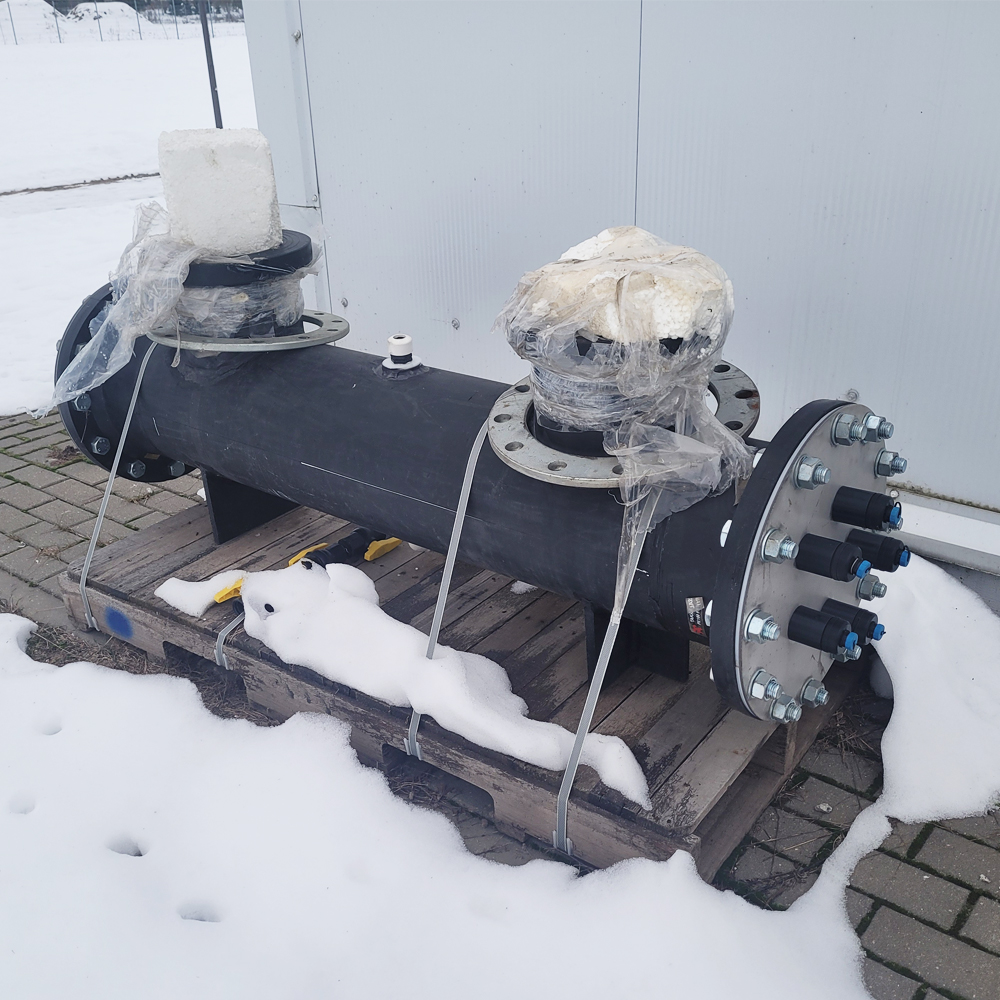
In modern aquaculture, water is not just a growing medium—it is the primary vector for health, disease, and productivity. Every liter of water circulating through a fish farm carries microscopic life, some beneficial and others potentially catastrophic. Among the most effective technologies for controlling harmful microorganisms without disrupting system balance, UV filtration has emerged as a cornerstone of biosecure aquaculture operations.
From intensive RAS facilities to hatcheries and broodstock systems, UV filtration plays a critical role in reducing pathogen pressure, improving fish survival rates, and stabilizing overall farm performance. Understanding how UV filtration works, where it fits in the treatment chain, and how to design it correctly is essential for any farm aiming for consistent, disease-resistant production.
What Is UV Filtration in Aquaculture?
UV filtration, more accurately referred to as ultraviolet disinfection, uses short-wavelength ultraviolet light—typically UV-C at around 254 nanometers—to inactivate microorganisms in water. Unlike mechanical or biological filters that remove or transform contaminants, UV systems neutralize pathogens at the genetic level.
When bacteria, viruses, fungi, or protozoa pass through a UV reactor, the radiation damages their DNA or RNA. This prevents them from reproducing, effectively rendering them harmless. Importantly, UV filtration does not kill organisms in the traditional sense; instead, it stops their ability to infect fish or multiply within the system.
This makes UV filtration a chemical-free, non-invasive, and highly targeted method of water disinfection—ideal for sensitive aquaculture environments.
Read more about:Case Studies: Nanobubble Applications in Shrimp Farming
Why Pathogen Control Is Critical in Fish Farms
Pathogens thrive in aquaculture systems for one simple reason: high biological density. Fish farms concentrate animals, nutrients, and water reuse, creating ideal conditions for disease transmission if not carefully managed.
Common aquaculture pathogens include:
- Bacterial agents such as Aeromonas, Vibrio, and Flavobacterium
- Viral threats in hatcheries and broodstock systems
- Parasites and protozoa that spread rapidly through shared water
- Opportunistic microbes that attack stressed or oxygen-deprived fish
Once established, these pathogens can cause mass mortality, growth suppression, increased feed conversion ratios, and costly antibiotic interventions. UV filtration addresses this problem at the water level, reducing pathogen load before it ever reaches the fish.
How UV Filtration Works in a Recirculating Aquaculture System (RAS)
In RAS and other closed or semi-closed systems, UV filtration is typically installed after mechanical and biological filtration. This placement is critical for performance.
Mechanical filters remove suspended solids that could block or scatter UV light. Biofilters convert toxic ammonia and nitrite into less harmful nitrate. Once the water is clear and chemically stable, UV filtration delivers maximum disinfection efficiency.
As water flows through the UV chamber:
- It is exposed to a calibrated UV dose based on flow rate and target organisms
- Pathogens receive sufficient radiation to disrupt their genetic material
- Disinfected water returns to the culture tanks with reduced microbial risk
Well-designed systems ensure uniform exposure and prevent shadowing, which can allow pathogens to escape treatment.
Read more about:What Is an Oxygen Generator and How Does It Work?
Benefits of UV Filtration for Fish Health and Farm Performance
UV filtration offers advantages that extend far beyond disease prevention. Its impact is systemic and long-term.
Healthier fish are the most immediate benefit. By lowering background pathogen levels, fish experience less immune stress, improved appetite, and faster growth. This translates directly into better feed efficiency and more predictable harvest cycles.
UV systems also reduce dependency on antibiotics and chemical treatments. As regulations tighten and consumers demand cleaner seafood, UV filtration supports compliance with antibiotic-free and eco-responsible production standards.
From an operational perspective, farms using UV filtration experience fewer disease outbreaks, lower mortality spikes, and more stable biofilter performance. The result is greater consistency, which is one of the most valuable traits in commercial aquaculture.
UV Dose, Flow Rate, and System Design: Why Sizing Matters
One of the most common mistakes in UV filtration is undersizing the system. UV effectiveness depends on dose, which is a function of light intensity and exposure time.
High flow rates with insufficient UV power lead to partial disinfection, creating a false sense of security. Advanced system design considers:
- Target pathogens and required UV dose (measured in mJ/cm²)
- Total system flow and peak circulation rates
- Water clarity and UV transmittance
- Redundancy for critical life-support systems
Professional aquaculture suppliers like AtlasAqua integrate UV filtration into complete water treatment designs, ensuring that UV reactors are correctly matched to system biology, hydraulic load, and biosecurity goals.
Read more about: Methods of Oxygenation in Fish Farming: Pros and Cons
UV Filtration vs. Ozone: Complementary, Not Competing
UV filtration is often compared to ozone, another powerful disinfection technology. In practice, the two work best together, not in opposition.
Ozone excels at oxidizing organic matter and improving water clarity, while UV filtration provides precise microbial control without chemical residuals. In advanced RAS facilities, ozone is typically applied upstream, followed by UV filtration to neutralize any remaining pathogens and break down ozone by-products.
This layered approach creates a robust, multi-barrier defense against disease.
Maintenance and Monitoring for Long-Term Effectiveness
UV filtration is not a “set and forget” technology. Lamp output declines over time, even if the lamp still appears to be working. Quartz sleeves can foul with mineral deposits, reducing UV transmission.
Best practices include:
- Scheduled lamp replacement based on operating hours
- Regular cleaning of quartz sleeves
- Monitoring UV intensity or alarm systems
- Verifying flow rates match design parameters
When maintained correctly, UV systems deliver years of reliable performance with minimal operational complexity.
Read more about:The Necessity of Oxygenation in Aquaculture Farms
The Role of UV Filtration in Sustainable Aquaculture
As aquaculture moves toward higher efficiency, lower environmental impact, and increased biosecurity, UV filtration is becoming a standard rather than a luxury. It supports sustainable production by reducing chemical inputs, improving survival rates, and enabling higher stocking densities without sacrificing fish welfare.
For land-based farms, hatcheries, and advanced RAS installations, UV filtration is no longer optional—it is a fundamental tool for maintaining control over invisible biological risks.
AtlasAqua integrates UV filtration solutions as part of comprehensive aquaculture system designs, helping farms build resilient, future-ready operations where water quality and fish health are never left to chance.