
Nanobubble Technology: The Future of Water Oxygenation
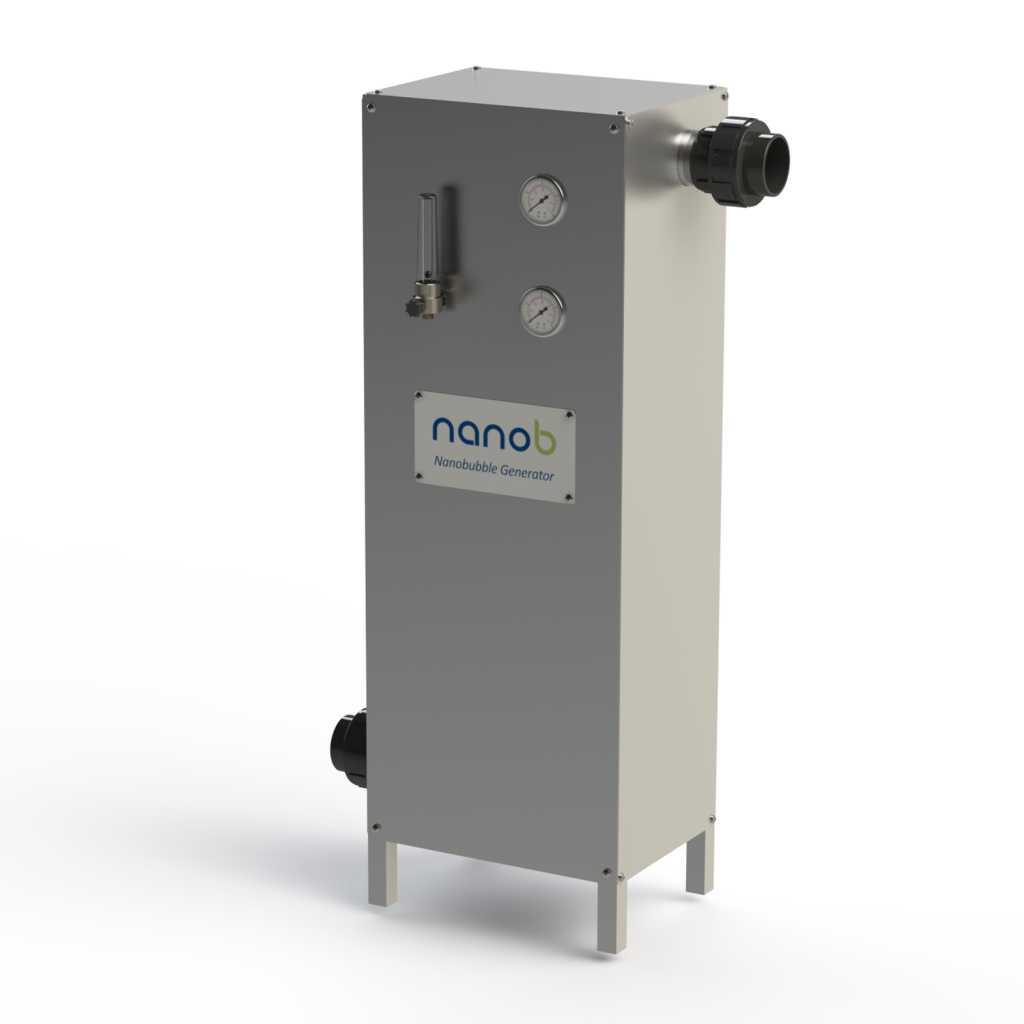
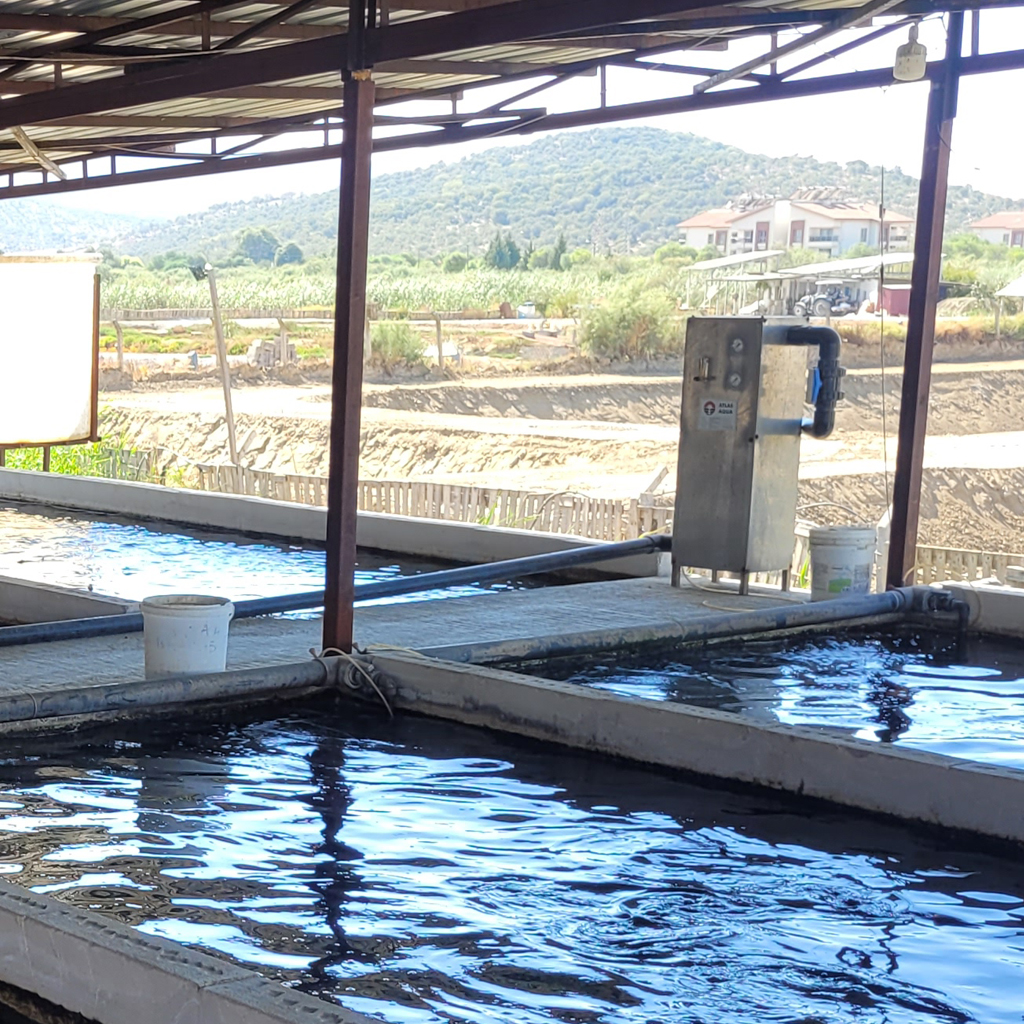
Water oxygenation has always been one of the quiet heroes of aquaculture. It rarely gets the spotlight, yet dissolved oxygen (DO) levels dictate fish health, feed conversion, biofilter efficiency, and ultimately farm profitability. As aquaculture systems evolve toward higher stocking densities, lower water exchange, and greater sustainability, traditional aeration methods are reaching their practical limits. This is where nanobubble technology enters the scene—not as a small upgrade, but as a fundamental shift in how oxygen is delivered and retained in water.
Nanobubbles represent a new generation of oxygenation technology, offering unprecedented efficiency, stability, and biological benefits. For modern aquaculture operations—especially RAS facilities—this technology is rapidly becoming a strategic advantage rather than an experimental add-on.
Understanding Nanobubbles: Small Size, Massive Impact
Nanobubbles are gas bubbles typically less than 200 nanometers in diameter, thousands of times smaller than microbubbles and invisible to the naked eye. Their tiny size gives them physical properties that behave very differently from conventional bubbles.
Unlike standard aeration bubbles that rise quickly and escape at the surface, nanobubbles remain suspended in water for days or even weeks. They exhibit near-neutral buoyancy and an exceptionally large surface-area-to-volume ratio, allowing gases like oxygen or ozone to dissolve more effectively into the water column.
Even more fascinating is their electrical behavior. Nanobubbles carry a negative surface charge (zeta potential), which prevents them from coalescing and collapsing. This stability is the key reason they outperform traditional diffusers, air stones, and even oxygen cones in certain applications.
Read more about:Nanobubble Technology for Efficient Oxygen Delivery
Why Traditional Oxygenation Is No Longer Enough
Conventional oxygenation methods rely on brute force: larger bubbles, higher airflow, more energy. While effective to a point, they suffer from clear limitations:
- Rapid gas loss at the surface
- Uneven oxygen distribution
- High energy consumption
- Mechanical wear and maintenance
- Limited efficiency in deep or high-density systems
As farms scale up and water reuse becomes essential, these inefficiencies translate directly into higher operating costs and biological risk. Nanobubble systems flip the equation by maximizing oxygen retention rather than simply increasing oxygen input.
How Nanobubble Technology Enhances Dissolved Oxygen (DO)
The real power of nanobubbles lies in oxygen transfer efficiency (OTE). Because nanobubbles stay in suspension, oxygen dissolves gradually and consistently, maintaining stable DO levels across the entire system.
This creates several measurable benefits:
- Higher baseline DO with lower oxygen input
- Reduced oxygen stratification in tanks
- Faster recovery from oxygen dips
- Improved nighttime DO stability
- Lower stress during feeding peaks
For fish, this means better respiration efficiency, stronger immune response, and improved growth rates. For operators, it means fewer emergencies and tighter environmental control.
Read more about: What Are Nanobubbles and How Do They Work in Water?
Beyond Oxygen: Biological and Chemical Advantages
Nanobubbles don’t just deliver oxygen—they actively improve water quality at multiple levels.
When nanobubbles collapse, they generate localized energy and reactive oxygen species in very small amounts. In controlled applications, this can:
- Suppress pathogenic bacteria
- Reduce biofilm formation on surfaces
- Improve nitrification efficiency in biofilters
- Enhance organic waste breakdown
In RAS and hybrid systems, these effects translate into cleaner water, healthier biofilters, and lower disease pressure, all without chemical additives.
Nanobubbles and Biofilter Performance
Biofilters thrive on oxygen. Nitrifying bacteria are oxygen-hungry organisms, and their efficiency drops sharply when DO levels fluctuate. Nanobubble-enriched water provides a stable oxygen environment, allowing nitrifiers to operate at peak efficiency.
This results in:
- Faster ammonia and nitrite conversion
- More resilient biofilter performance under load
- Reduced risk during stocking increases
- Greater system stability during temperature changes
For high-density systems designed by AtlasAqua, integrating nanobubble oxygenation aligns perfectly with advanced filtration and biological treatment strategies.
Read more about:What Affects Dissolved Oxygen Levels in Fish Tanks?
Energy Efficiency and Sustainability Gains
One of the most compelling arguments for nanobubble technology is energy efficiency. Because oxygen is retained longer, farms can achieve the same—or higher—DO levels with less oxygen input and reduced blower runtime.
This leads to:
- Lower electricity consumption
- Reduced oxygen supply costs
- Smaller carbon footprint
- Improved long-term operational sustainability
In an era where energy prices and environmental regulations are tightening, nanobubbles offer a future-proof approach to oxygen management.
Applications Across Aquaculture Systems
Nanobubble technology is remarkably versatile. It can be applied in:
- Recirculating Aquaculture Systems (RAS)
- Hatcheries and larval rearing tanks
- Broodstock conditioning systems
- Aquaponics operations
- Water treatment and disinfection loops
AtlasAqua integrates nanobubble-ready designs into modern system layouts, ensuring compatibility with existing filtration, oxygen cones, and degassing units where needed.
ead more about:Comparing Nanobubbles vs. Oxygen Cones in Aquaculture: A Scientific Overview
Challenges and Smart Implementation
Like any advanced technology, nanobubbles are not a magic wand. Proper design, gas selection, flow rates, and control strategies are critical. Over-oxygenation, poor circulation, or mismatched system sizing can reduce benefits.
That’s why nanobubble systems perform best when deployed as part of a holistic water management strategy, engineered specifically for the farm’s biology, density, and production goals—an approach AtlasAqua is known for.
The Future of Oxygenation Is Invisible
Nanobubble technology represents a philosophical shift in aquaculture engineering: less noise, fewer moving parts, more precision, and deeper biological alignment. Oxygenation no longer has to be aggressive or wasteful to be effective. It can be subtle, stable, and extraordinarily efficient.
As the industry moves toward higher performance with lower environmental impact, nanobubbles are not just the future of water oxygenation—they are fast becoming the new standard.
AtlasAqua continues to explore and implement next-generation oxygenation solutions that help farms produce more, waste less, and operate with confidence in an increasingly demanding aquaculture landscape.