
How Aquarium Tanks Support Research and Breeding Programs
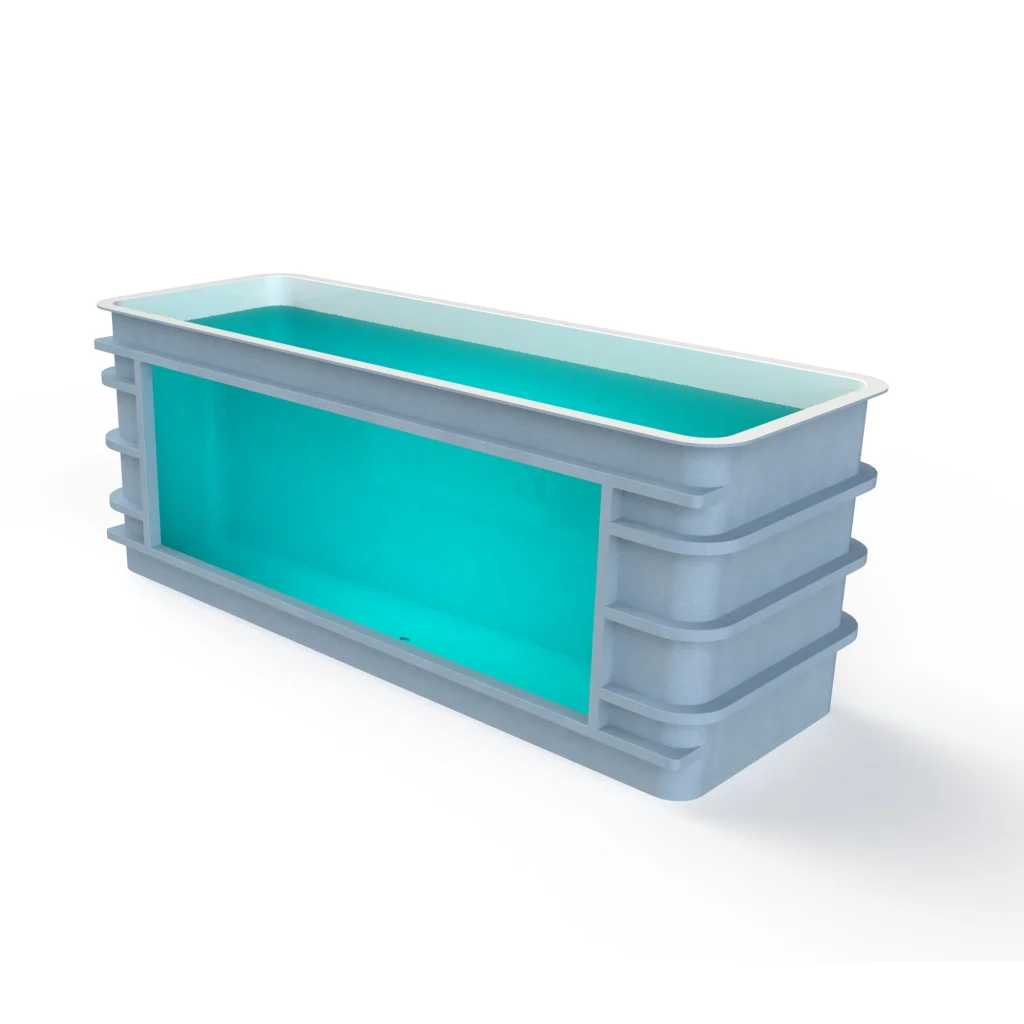
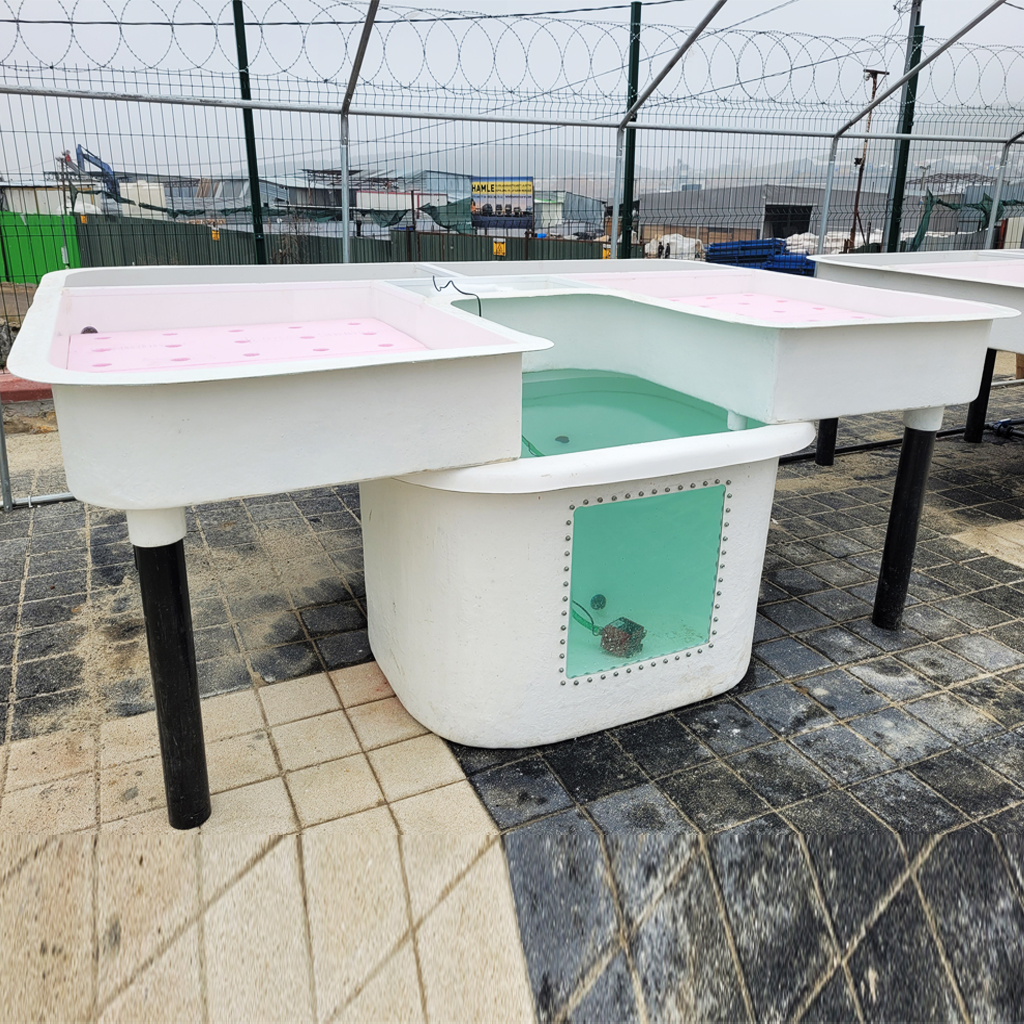
At AtlasAqua, our mission is to advance sustainable aquaculture through innovation, research, and science-backed practices. Aquarium tanks are at the heart of this mission—they provide controlled, precise environments that support research, breeding, and conservation initiatives across a wide range of aquatic species. These systems are more than just containers; they are living laboratories that allow us to study aquatic life, improve fish health, and develop advanced breeding programs.
Controlled Environments for Scientific Research
One of the most significant benefits of aquarium tanks is the ability to create controlled aquatic environments. Researchers can manipulate multiple variables—including water temperature, pH, dissolved oxygen, ammonia, nitrate levels, light intensity, and photoperiod—to replicate natural habitats or simulate stress conditions.
This controlled environment allows scientists and aquaculture experts to:
- Study species-specific growth rates and metabolic responses
- Observe feeding behavior and dietary requirements
- Analyze social interactions, schooling, and territorial behaviors
- Examine responses to environmental stressors like temperature fluctuations or chemical exposure
For example, ornamental fish such as discus or angelfish require highly specific water conditions for proper growth and reproduction. Through the use of precision-controlled tanks, researchers can monitor their responses to diet modifications, water chemistry changes, and social groupings, generating data that can improve both conservation and commercial breeding programs.
Moreover, controlled tanks allow for replicable scientific experiments, ensuring that results can be verified and applied across multiple facilities. This is crucial for research on disease management, nutrition trials, and selective breeding programs.
Read more about:How to Monitor and Manage Dissolved Oxygen in Aquaculture
Supporting Breeding Programs with Precision
Aquarium tanks are invaluable for breeding programs, especially for species that have delicate or highly specific reproductive requirements. In natural environments, reproduction is often influenced by multiple variables such as temperature, water flow, seasonal photoperiods, and substrate type. Tanks allow aquaculture specialists to simulate these conditions with precision.
At AtlasAqua, our breeding programs benefit from advanced tank systems that allow us to:
- Optimize spawning conditions for both freshwater and marine species
- Increase larval survival rates by providing controlled flow, temperature, and substrate
- Support endangered species conservation, reducing pressure on wild populations
- Facilitate selective breeding, enhancing traits such as growth rate, disease resistance, and feed efficiency
These tanks also enable staggered breeding schedules, meaning multiple species or populations can be bred simultaneously under optimal conditions without cross-contamination or stress.
Monitoring Fish Health and Water Quality
Effective aquaculture depends on continuous monitoring of fish health and water quality. Modern aquarium tanks integrate sensor technology and automated systems to track essential parameters such as dissolved oxygen, ammonia, nitrite, nitrate, and pH in real time.
Benefits of monitoring in tank-based systems include:
- Early detection of water quality issues, preventing stress and disease
- Optimization of feeding schedules and diet formulations based on fish growth and metabolism
- Data-driven decision making for breeding and research programs
- Reduced mortality rates and improved overall productivity
Automated filtration, aeration, and circulation devices maintain stable water conditions, enabling healthy growth and reproductive success. These systems also allow researchers to focus on observation and experimentation rather than manual water management, saving time and resources.
Read more about:The Necessity of Oxygenation in Aquaculture Farms
Aquarium Tanks as Innovation Platforms
Beyond routine research and breeding, aquarium tanks serve as platforms for innovative experiments in aquaculture. These small-scale, controlled systems are ideal for testing technologies and protocols before scaling up to commercial operations.
Some innovative applications include:
- Nutrition optimization studies: Testing new feed formulations and supplements to improve growth, immune response, and feed conversion ratios
- Behavioral research: Observing schooling behavior, territoriality, aggression, and mating patterns
- Disease prevention and treatment trials: Quarantine tanks allow safe testing of vaccines, probiotics, and treatments without risking entire populations
- Oxygenation and nanobubble studies: Evaluating novel aeration technologies in controlled conditions to boost dissolved oxygen levels and promote fish growth
By using aquarium tanks as experimental platforms, we at AtlasAqua can develop data-driven insights and apply them across our aquaculture systems, enhancing both productivity and sustainability.
Enhancing Sustainable Aquaculture Practices
Sustainable aquaculture relies on efficient use of resources and minimal environmental impact. Aquarium tanks play a pivotal role by:
- Reducing dependency on wild-caught broodstock for breeding
- Minimizing water usage through recirculation and filtration systems
- Supporting research into low-impact feeding strategies and waste management
- Providing controlled environments for testing eco-friendly disease control methods
Investing in advanced tank systems ensures that both research and production activities are environmentally responsible, while also improving productivity and profitability.
Read more about:What Affects Dissolved Oxygen Levels in Fish Tanks?
AtlasAqua’s Approach to Tank-Based Research and Breeding
At AtlasAqua, we integrate state-of-the-art tank designs with our research and breeding programs. Our approach focuses on:
- Precision-controlled water parameters for all life stages
- Health monitoring and automated alerts for early intervention
- Modular tank designs that allow for scalable research and breeding operations
- Integration of innovative technologies such as nanobubble oxygenation and automated feeding
By combining science, technology, and practical aquaculture experience, AtlasAqua ensures that our tanks are not only tools for research but also drivers of innovation in sustainable aquaculture.
Read more about: Methods of Oxygenation in Fish Farming: Pros and Cons
Conclusion
Aquarium tanks are more than just containers—they are vital research tools and breeding platforms that support sustainable aquaculture practices. By providing controlled environments, enabling precise breeding protocols, and facilitating innovative research, these systems help improve fish health, productivity, and environmental responsibility.
At AtlasAqua, we are committed to advancing aquaculture science through precision tank systems, innovative research, and sustainable breeding programs, ensuring a healthier and more productive future for aquatic life.