
The Role of Protein Skimmers in Modern Aquaculture

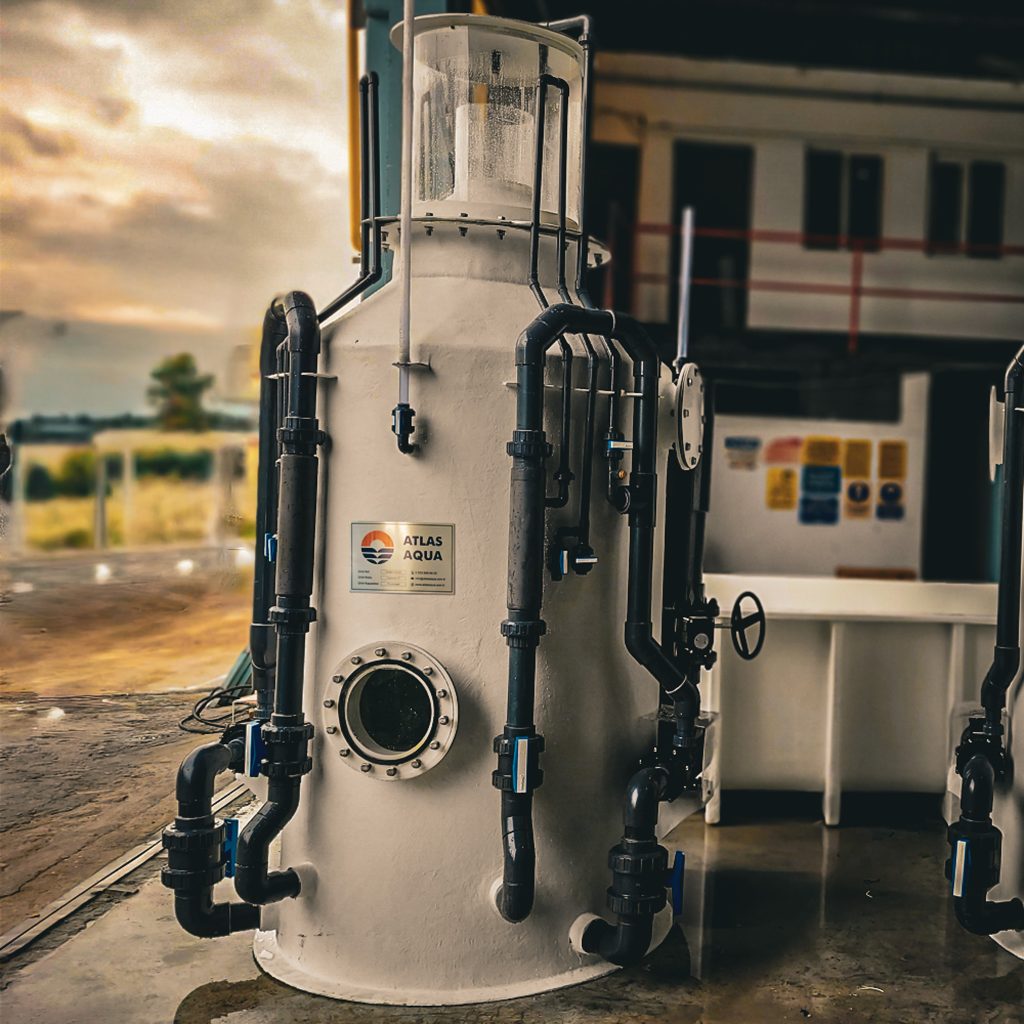
Maintaining high water quality is the cornerstone of successful aquaculture. Healthy water not only supports faster growth and higher survival rates but also ensures a stable and sustainable operation. Among the many tools available to aquaculture operators, the protein skimmer, also known as a foam fractionator, plays a vital role in maintaining water quality and supporting fish health.
While it may seem like a specialized device reserved for advanced systems, the protein skimmer is becoming increasingly essential in modern fish farms, recirculating aquaculture systems (RAS), and high-density aquaculture operations. Let’s explore why and how it works in detail.
What Is a Protein Skimmer?
A protein skimmer is a filtration device specifically designed to remove dissolved organic compounds (DOCs), proteins, lipids, and other waste materials from aquaculture water. Unlike mechanical filters, which trap visible particles, protein skimmers work at a molecular level, removing substances that are invisible but potentially harmful to aquatic life.
These dissolved organics are byproducts of fish metabolism, uneaten feed, and microbial activity. If left untreated, they can degrade water quality, stress aquatic species, and even increase disease risks.
In simple terms, think of a protein skimmer as a molecular vacuum cleaner for your water. By removing waste before it becomes toxic, it maintains a healthier environment for your fish or shrimp.
Read more about: Case Studies: Nanobubble Applications in Shrimp Farming
How Protein Skimmers Work
The principle behind protein skimmers is based on the affinity of proteins and organics for air-water interfaces. The process can be broken down into four main stages:
- Air Injection – Air is injected into the water column, usually as fine bubbles.
- Bubble Contact – Proteins and dissolved organics attach to the surface of the bubbles.
- Foam Formation – The bubbles rise and form a dense foam at the top of the skimmer column.
- Waste Removal – This foam, which is rich in captured organics, is collected in a cup or container and removed from the system.
The efficiency of a protein skimmer depends on bubble size, contact time, and the surface area of the water-bubble interface. Fine bubbles with long contact times capture more dissolved compounds, resulting in cleaner water.
A well-designed skimmer can remove up to 70–90% of dissolved organics, significantly reducing the load on biofilters and other filtration systems.
Read more about: What Affects Dissolved Oxygen Levels in Fish Tanks?
Why Protein Skimmers Are Crucial in Aquaculture
Protein skimmers are not just optional equipment—they are essential for maintaining water stability, fish health, and overall system efficiency. Here’s why:
1. Maintaining Optimal Water Quality
Fish and shrimp are highly sensitive to water chemistry. Dissolved organic compounds can decompose into ammonia, nitrites, and nitrates, which are toxic at elevated levels. By removing these compounds early, protein skimmers reduce the formation of these toxins, keeping dissolved oxygen levels stable and the water chemically balanced.
Read more about:Maintenance Tips for Oxygen Cones
2. Improving Fish Health and Growth
Stress caused by poor water quality suppresses the immune system and slows growth. Protein skimmers minimize these stressors by:
- Reducing toxic buildup
- Maintaining stable pH levels
- Minimizing microbial blooms
This results in healthier, faster-growing aquatic species, reducing the need for antibiotics or other chemical interventions.
3. Reducing the Load on Other Filtration Systems
Protein skimmers are pre-filters for your biofilters. By removing organics before they reach biofilters, they prevent overloading, reduce maintenance frequency, and extend the lifespan of your filtration systems. This also improves the efficiency of biological filtration and reduces operational costs over time.
Read more about:How to Monitor and Manage Dissolved Oxygen in Aquaculture
4. Supporting Sustainable Aquaculture Practices
Modern aquaculture faces increasing scrutiny regarding environmental impact. Protein skimmers allow farms to operate with less water exchange and lower effluent pollution. By removing organic waste efficiently, farms can meet regulatory standards, conserve water, and reduce environmental footprint, aligning with sustainable farming practices.
Selecting the Right Protein Skimmer
Not all protein skimmers are created equal, and choosing the right one depends on several factors:
- System Size and Stocking Density – Larger, high-density RAS systems require higher-capacity skimmers.
- Flow Rate – Skimmers must be capable of handling the water volume of the tank while providing adequate bubble contact.
- Bubble Quality – Fine, uniform bubbles improve the capture of dissolved organics.
- Energy Efficiency – Skimmers run continuously, so energy-efficient models reduce operational costs.
- Ease of Maintenance – Look for designs that allow easy foam cup cleaning without disrupting operations.
Consultation with aquaculture engineers or manufacturers is recommended to match the skimmer’s capacity and features to your specific operation.
Read more about: The Necessity of Oxygenation in Aquaculture Farms
Integrating Protein Skimmers into a Filtration Strategy
Protein skimmers work best as part of a comprehensive water filtration system. A well-balanced aquaculture setup might include:
- Mechanical Filters – Remove large debris and solids.
- Biofilters – Convert ammonia and nitrites into less harmful nitrates.
- UV Sterilizers – Control pathogens and algae.
- Degassing Units – Maintain optimal oxygen and carbon dioxide levels.
When combined with these systems, protein skimmers create a proactive water management strategy, ensuring water quality stays high, fish health is protected, and overall system efficiency is maximized.
Common Challenges and Tips for Effective Skimmer Use
Even the best protein skimmers require proper operation and monitoring:
- Foam Quality – Thick, dark foam indicates high organics; thin, clear foam may mean the skimmer is underperforming.
- Regular Cleaning – Foam cups must be emptied daily or as required to maintain efficiency.
- Water Chemistry Monitoring – Monitor pH, ammonia, and dissolved oxygen regularly to ensure the skimmer is complementing the system effectively.
- Placement and Flow – Ensure the skimmer is installed where water circulation supports maximum contact with bubbles.
By following these best practices, aquaculture operators can maximize the benefits of protein skimmers and maintain a healthy, productive aquatic environment.
Read more about: Comparing Nanobubbles vs. Oxygen Cones in Aquaculture: A Scientific Overview
Conclusion
Protein skimmers are more than just equipment—they are a cornerstone of modern, efficient, and sustainable aquaculture. By removing dissolved organic compounds before they break down into toxins, protein skimmers protect fish health, reduce stress on other filtration systems, and improve overall farm performance.
Investing in the right protein skimmer and integrating it into a well-designed filtration strategy ensures optimal water quality, higher productivity, and sustainable operations. For any aquaculture farm aiming for efficiency and sustainability, protein skimmers are not optional—they are essential.