
Understanding Oxygen Cones: Maximizing DO Efficiency in Aquaculture Systems
Dissolved oxygen (DO) is one of the most critical parameters in aquaculture. It directly affects fish metabolism, feed conversion ratios, growth rates, immune response, and overall survival. As stocking densities increase and modern systems push toward higher production efficiency, traditional aeration methods often fall short. This is where oxygen cones become a powerful and highly efficient solution.
Oxygen cones are engineered to deliver oxygen at significantly higher transfer efficiencies than conventional aeration systems. When properly designed and integrated, they allow aquaculture operators to precisely control oxygen levels, stabilize water quality, and safely operate high-density systems such as RAS (Recirculating Aquaculture Systems), hatcheries, and intensive grow-out facilities.
What Is an Oxygen Cone?
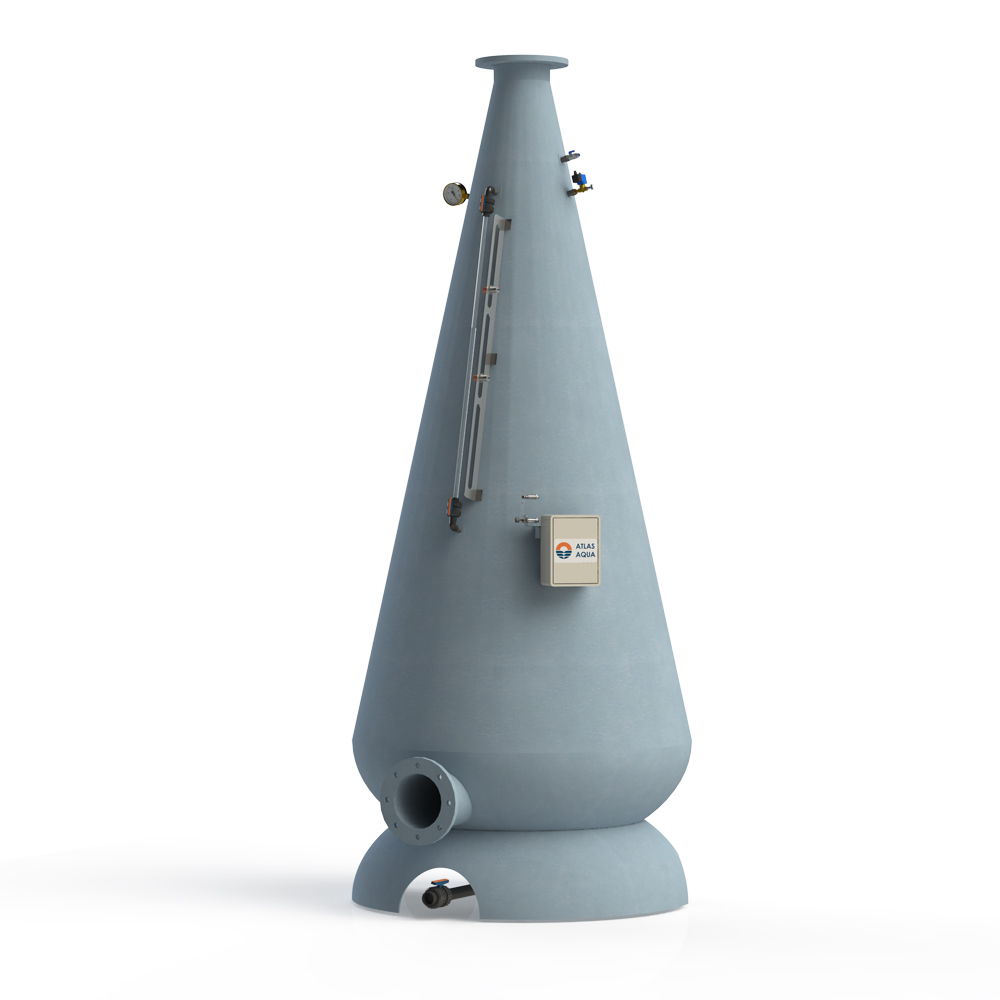
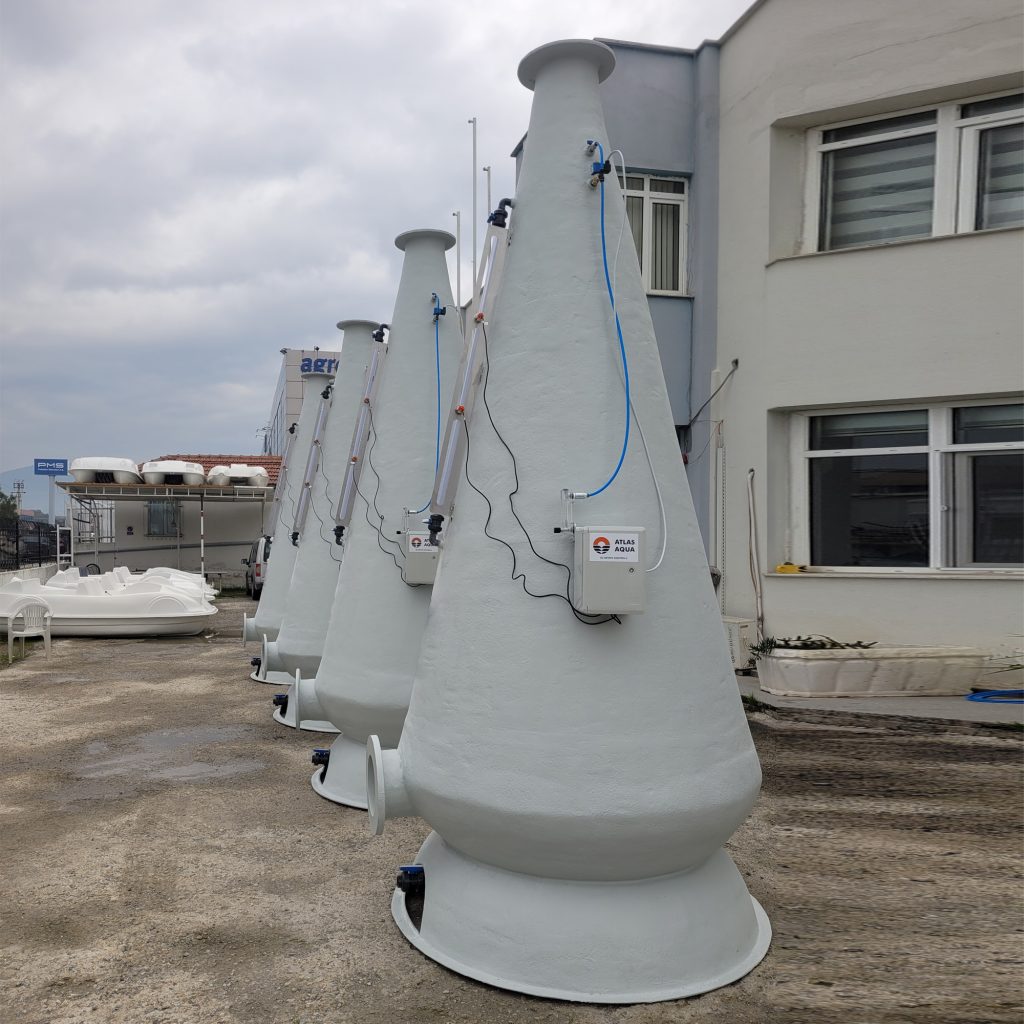
An oxygen cone is a pressurized gas–liquid contact device designed to dissolve pure oxygen into water with extremely high efficiency. Unlike surface aerators or diffusers that rely on atmospheric air, oxygen cones use 100% oxygen and exploit pressure and contact time to maximize oxygen solubility.
Water enters the cone from the top and flows downward in a controlled spiral or laminar pattern. Pure oxygen is injected into the cone under pressure, creating an environment where oxygen bubbles remain in contact with water for an extended period. As pressure increases toward the bottom of the cone, oxygen solubility rises, allowing nearly all injected oxygen to dissolve before the water exits the unit.
Well-designed oxygen cones can achieve oxygen transfer efficiencies of 90–95% or higher, far exceeding most traditional aeration technologies.
Read more about:Complete Overview of Oxygen Cones in Aquaculture
Why Dissolved Oxygen Efficiency Matters
In aquaculture, oxygen is not just a water quality parameter—it is a production input. Inefficient oxygen delivery leads to wasted gas, unstable DO levels, stressed fish, and higher operational costs.
High DO efficiency allows operators to:
- Maintain stable oxygen levels during peak feeding times
- Prevent oxygen crashes in high biomass systems
- Reduce oxygen consumption and operating expenses
- Improve fish welfare and growth performance
- Increase system carrying capacity without expanding infrastructure
For intensive systems, oxygen cones often become a core component rather than an optional upgrade.
Read more about:How to Monitor and Manage Dissolved Oxygen in Aquaculture
How Oxygen Cones Maximize DO Efficiency
The exceptional performance of oxygen cones comes from a combination of physical and hydraulic principles working together.
Pressurized Dissolution
Oxygen solubility increases with pressure. Oxygen cones intentionally create a pressurized environment, forcing oxygen to dissolve into the water rather than escaping to the atmosphere.
Extended Gas–Liquid Contact Time
Inside the cone, water and oxygen remain in contact much longer than in open aeration systems. This extended interaction allows oxygen molecules to fully dissolve before the water exits the unit.
Controlled Flow Dynamics
The internal geometry of an oxygen cone reduces turbulence and prevents short-circuiting, ensuring consistent dissolution across the entire water column.
Pure Oxygen Input
By using pure oxygen instead of air, oxygen cones eliminate nitrogen dilution and significantly increase the partial pressure of oxygen, which accelerates transfer rates.
Oxygen Cones vs. Traditional Aeration Methods
Compared to diffusers, paddle wheels, or venturi injectors, oxygen cones offer several distinct advantages.
Traditional aeration methods rely on surface agitation or fine bubbles, which are highly sensitive to water depth, temperature, and biofouling. Their oxygen transfer efficiency typically ranges from 5–25%, meaning most of the energy or gas used is wasted.
Oxygen cones, by contrast, operate independently of surface conditions and maintain consistent performance even at high biomass loads. This makes them especially valuable in RAS facilities, hatcheries, broodstock systems, and oxygen-critical life stages.
Read more about:Maintenance Tips for Oxygen Cones
Applications of Oxygen Cones in Aquaculture
Oxygen cones are used across a wide range of aquaculture operations, from freshwater to marine environments.
In Recirculating Aquaculture Systems, oxygen cones are commonly installed after mechanical and biological filtration, ensuring that oxygen-rich water is delivered directly back to culture tanks.
In hatcheries and nurseries, oxygen cones help maintain precise DO levels required for sensitive early life stages.
In high-density grow-out systems, they allow producers to safely increase stocking density while maintaining fish health and performance.
They are also widely used in oxygen supplementation during transport loops, emergency oxygen systems, and broodstock conditioning units.
Read more about:How to Install an Oxygen Cone in Your Fish Farm
Key Design Considerations for Oxygen Cones
To achieve maximum DO efficiency, oxygen cones must be properly sized and integrated into the system.
Flow Rate Matching
The cone must be sized to handle the system’s flow rate without causing excessive head loss or incomplete oxygen dissolution.
Oxygen Supply Control
Accurate oxygen flow control using mass flow controllers or pressure regulators is essential to avoid over- or under-oxygenation.
Backpressure Management
Proper downstream plumbing ensures adequate pressure is maintained inside the cone for optimal solubility.
Monitoring and Automation
Integrating DO sensors and automated oxygen control systems allows real-time adjustment and ensures stable oxygen levels under varying loads.
AtlasAqua designs oxygen cone solutions that are fully compatible with automated monitoring and control platforms, allowing precise oxygen management with minimal operator intervention.
Read more about:Pure Oxygen or Air Aeration: The Best Oxygenation Method for Fish Farming
Operational Benefits for Fish Health and Performance
Consistent, high-quality oxygen delivery has a direct and measurable impact on production outcomes.
Fish maintained at optimal DO levels show improved feed intake, faster growth rates, better feed conversion, and stronger immune responses. Stable oxygen conditions also reduce stress, which lowers the risk of disease outbreaks and mortality events.
For operators, this translates into higher yields, predictable performance, and improved economic efficiency.
Energy and Cost Efficiency
Although oxygen cones require an external oxygen source, their extremely high transfer efficiency often results in lower overall oxygen costs compared to inefficient aeration systems.
By minimizing oxygen waste and stabilizing DO levels, oxygen cones reduce emergency oxygen usage, system downtime, and losses caused by oxygen stress. Over time, this leads to a strong return on investment, especially in intensive and commercial-scale operations.
The Role of Oxygen Cones in Modern Aquaculture Design
As aquaculture continues to intensify and move toward land-based, high-control systems, oxygen cones are becoming a standard component of professional system design.
They align perfectly with modern priorities:
- Precision control
- Resource efficiency
- Fish welfare
- Scalability
- Automation readiness
AtlasAqua integrates oxygen cones into complete system solutions, ensuring seamless compatibility with filtration, monitoring, and control infrastructure.
Read more about:Comparing Nanobubbles vs. Oxygen Cones in Aquaculture: A Scientific Overview
Conclusion
Oxygen cones represent one of the most effective technologies available for maximizing dissolved oxygen efficiency in aquaculture systems. By combining pressure, pure oxygen, and optimized flow dynamics, they deliver unmatched performance, stability, and control.
For producers aiming to increase biomass, improve fish health, and future-proof their operations, oxygen cones are not just an upgrade—they are a strategic investment in system reliability and production success.