
Best Practices for Algae Tank Management in Aquaculture
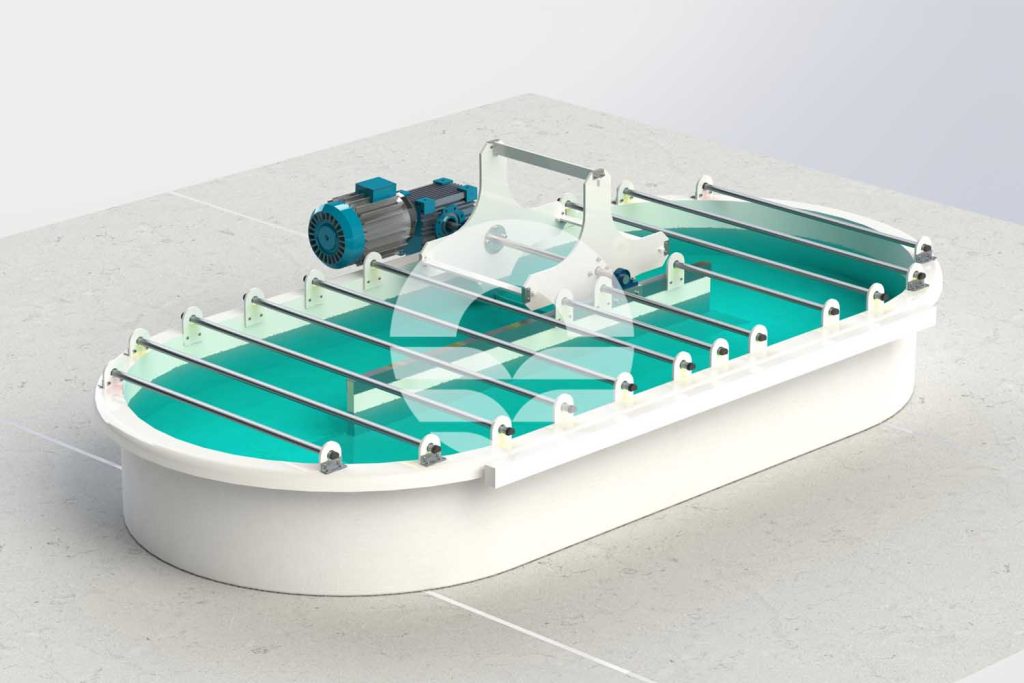
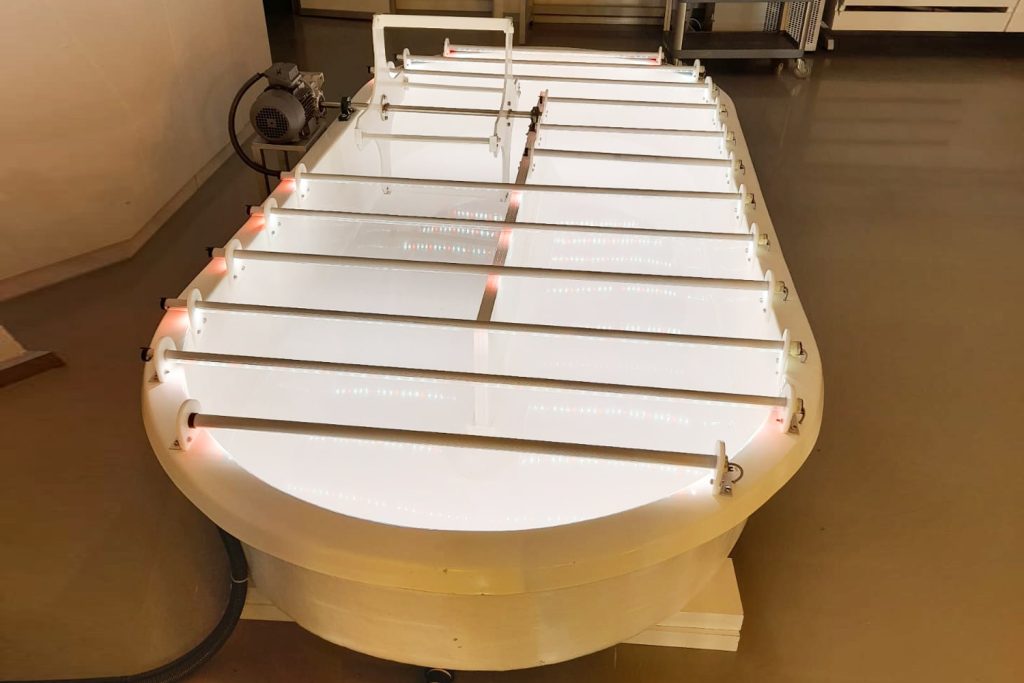
Optimizing Water Quality, Sustainability, and System Efficiency
In modern aquaculture, algae are no longer viewed as just a nuisance—they are a powerful biological tool. When properly managed, algae tanks can significantly enhance water quality, improve nutrient cycling, and even contribute to feed efficiency.
However, without proper control, algae can quickly become problematic, leading to oxygen fluctuations, poor water clarity, and system instability.
At AtlasAqua, we see algae management not as a challenge, but as an opportunity. With the right strategies, algae tanks can become a core component of sustainable and high-performance aquaculture systems.
Read more about :How Biofilters Maintain Water Quality and Fish Health.
Understanding the Role of Algae in Aquaculture
Algae play a dual role in aquaculture systems, acting as both beneficial and potentially harmful organisms depending on how they are managed.
Benefits of Controlled Algae Growth
- Natural oxygen production through photosynthesis
- Absorption of excess nutrients such as nitrogen and phosphorus
- Support for microbial ecosystems
- Potential use as a supplementary feed source
Risks of Poor Algae Management
- Oxygen depletion at night (respiration phase)
- Harmful algal blooms (HABs)
- Toxin production in certain species
- Reduced water clarity and light penetration
Balancing these factors is essential for system stability.
Read more about:Best Tools to Measure Dissolved Oxygen in Water
Types of Algae in Aquaculture Systems
Understanding algae types is the first step toward effective management.
Microalgae
Microscopic species that play a vital role in nutrient cycling and are often used in hatcheries.
Macroalgae
Larger algae species, sometimes cultivated intentionally in integrated systems.
Phytoplankton
Free-floating algae that form the base of aquatic food chains.
Each type requires different control and optimization strategies.
Read more about:UV Filtration: The Key to Pathogen-Free Fish Farms
Key Parameters for Effective Algae Tank Management
Successful algae management depends on maintaining precise environmental conditions.
1. Light Control
Light is the primary driver of algae growth.
Key considerations:
- Intensity and duration of light exposure
- Use of natural vs. artificial lighting
- Preventing excessive light that leads to blooms
Controlled lighting ensures balanced growth rather than uncontrolled proliferation.
2. Nutrient Management
Algae thrive on nutrients such as:
- Nitrates
- Phosphates
- Organic waste
Best practices include:
- Monitoring nutrient levels regularly
- Preventing overfeeding in fish tanks
- Integrating biofiltration systems
A balanced nutrient profile promotes healthy algae without triggering blooms.
3. Oxygen and Carbon Dioxide Balance
Algae produce oxygen during the day and consume it at night.
This daily cycle can create dangerous fluctuations.
Solutions include:
- Supplemental aeration systems
- Oxygen injection technologies
- Continuous monitoring of dissolved oxygen (DO)
4. Water Circulation
Proper circulation prevents stagnation and ensures uniform algae distribution.
Benefits:
- Even nutrient availability
- Reduced dead zones
- Improved gas exchange
Well-designed flow patterns are essential for stable algae tanks.
5. Temperature Stability
Temperature directly affects algae growth rates.
- Higher temperatures accelerate growth
- Sudden changes can trigger blooms or crashes
Maintaining a stable temperature range is critical for predictable performance.
Read more about:Maintenance Tips for Oxygen Cones
Best Practices for Managing Algae Tanks
To maximize benefits and minimize risks, follow these proven strategies:
Controlled Algae Cultivation
Instead of allowing random growth, cultivate specific algae species under controlled conditions.
This approach:
- Improves consistency
- Reduces harmful species dominance
- Enhances system efficiency
Regular Monitoring and Data Tracking
Track key parameters:
- Dissolved oxygen (DO)
- pH levels
- Nutrient concentrations
- Algae density
Data-driven management allows early detection of imbalances.
Read more about :Setting Up a Smart Aquaculture System: What You Need to Know
Integration with RAS Systems
Algae tanks can be integrated into Recirculating Aquaculture Systems (RAS) to:
- Improve nutrient recycling
- Reduce waste discharge
- Enhance sustainability
Use of Advanced Technologies
Modern systems leverage innovative tools such as:
Nanobubble Technology
Enhances oxygen transfer and improves water quality stability.
UV Sterilization
Controls unwanted algae and pathogens.
Automated Sensors
Provide real-time monitoring and control.
Preventing Algae Crashes
An algae crash can rapidly degrade water quality.
Prevention strategies:
- Avoid sudden environmental changes
- Maintain consistent nutrient levels
- Prevent overgrowth
Common Mistakes in Algae Tank Management
Avoid these frequent issues:
- Ignoring early signs of algae blooms
- Overloading systems with nutrients
- Poor lighting control
- Lack of aeration during nighttime
- Inconsistent monitoring
Read more about: Pure Oxygen or Air Aeration: The Best Oxygenation Method for Fish Farming
AtlasAqua Approach to Algae Tank Optimization
At AtlasAqua, we design systems that turn algae into an advantage rather than a risk.
Our solutions focus on:
- Integrated system design
- Smart monitoring technologies
- Optimized water flow and aeration
- Sustainable nutrient management
We help aquaculture operations achieve higher efficiency, lower environmental impact, and improved fish health.
The Future of Algae in Aquaculture
Algae are becoming a central component of next-generation aquaculture systems.
Emerging trends include:
- Algae-based biofilters
- Algae as a sustainable feed source
- Carbon capture through algae cultivation
- Integration with aquaponics systems
As the industry moves toward sustainability, algae management will play a key role in shaping the future of aquaculture.
Read more about :Top Smart Monitoring Tools for Aquaculture
Conclusion
Effective algae tank management is not about elimination—it is about control and optimization.
By implementing best practices in lighting, nutrient management, oxygen control, and system design, aquaculture operators can transform algae from a challenge into a powerful asset.
With the right approach, algae tanks can enhance water quality, reduce operational costs, and support sustainable production.